
Arteriovenous Fistula Embolization
Arteriovenous Fistula Embolization
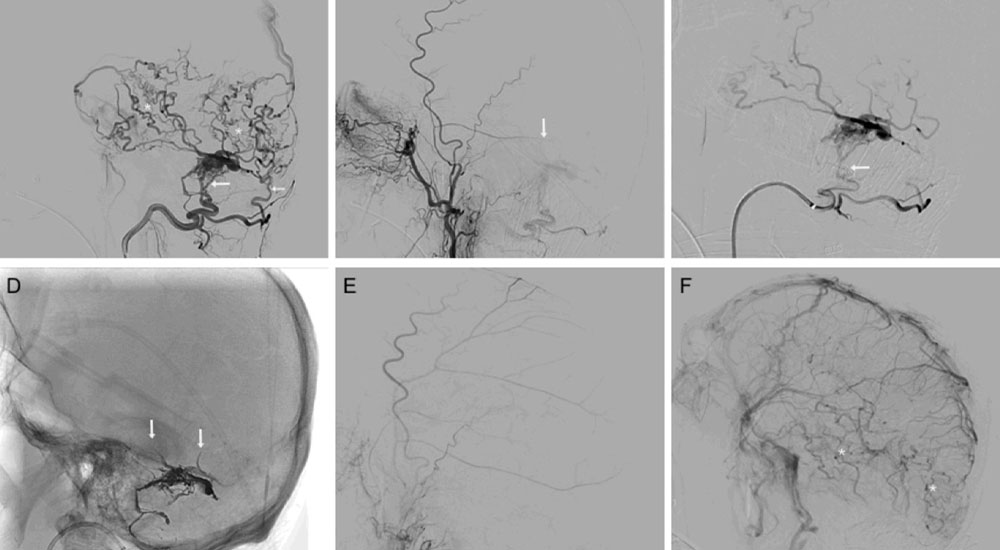
Endovascular embolization is the most common form of treatment for an AVF. We perform this procedure by inserting a catheter into an artery (usually the femoral artery in the front of the hip). Then, guided by fluoroscopic or X-ray imaging, we move it to the location of the fistula. We inject contrast so that we can see the exact location of the AVF. Then we inject material into the exact location where the artery and the vein meet, to stop the blood flow. We use a variety of types of devices, including coils, detachable balloons, embolization glue, embolization particles, embolization material (called Onyx), and vascular plugs. Once we have closed the connection between the artery and the vein, the AVF is cured and usually does not reoccur.
Occasionally, when the fistula happens between the side of an important artery and the vein next to it, we insert a covered stent (a wire mesh tube covered with fabric) into either the artery or the vein. This technique typically cures the AVF while keeping the artery and vein intact. A third option is to surgically close the fistula.